

- Developers and AI practitioners can review past sessions, search their team’s history, and improve how they work with coding agents.
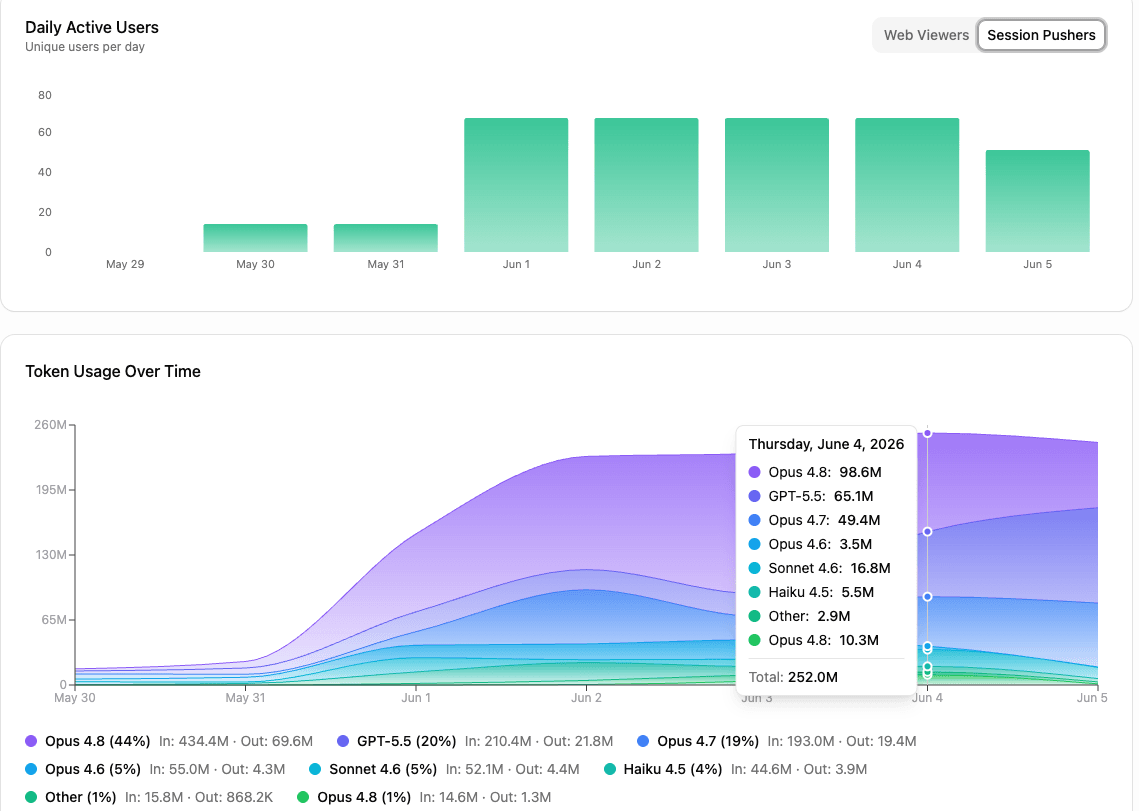
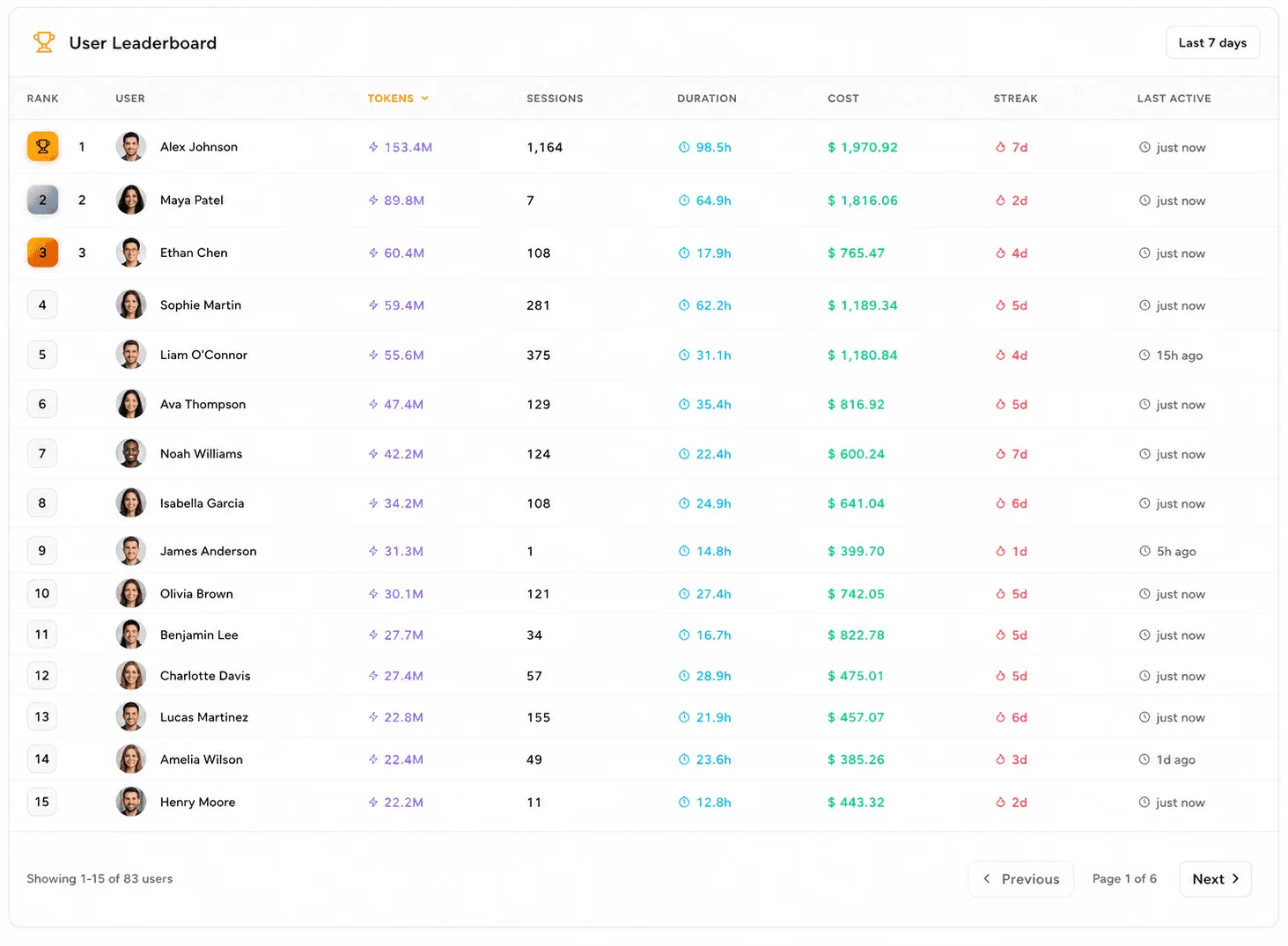
- Engineering leaders can track AI coding adoption, spend, and outcomes across teams and repositories.
Capabilities
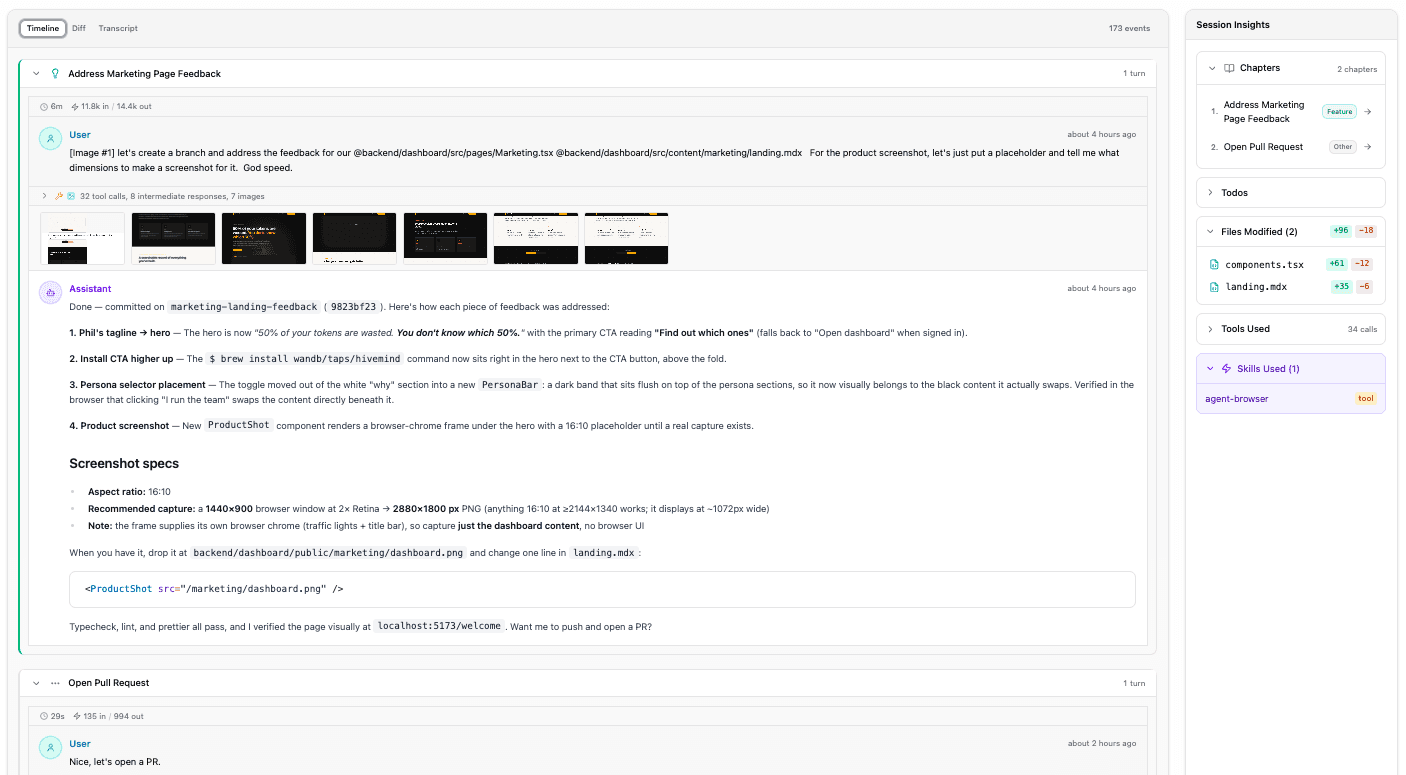
- See sessions across agents: One daemon captures sessions from every supported agent, with no per-agent configuration.
- Track spend and usage: View estimated cost over time, cost by model and team, token usage, and cost per merged pull request. Cost figures are estimates from published model pricing and session token counts, not billed amounts from your AI vendors.
- Measure outcomes: Connect agent activity to pull requests, merge rates, and how much agent-written code survives.
- Reuse past work: Use
@hivemindinside Claude Code, Codex, or Cursor to search your team’s session history and bring relevant context into your current session.
Supported agents
HiveMind captures sessions from many coding agents, with no agent-specific configuration required. For example:- Claude Code
- Codex
- Cursor
- Gemini CLI
- GitHub Copilot CLI
- OpenCode
- Pi
Quickstart
On your local system, install the client, authenticate, and start the daemon. Choose the method that fits your platform.- Homebrew (macOS)
- uv (macOS or Linux)
- Standalone binary (macOS or Linux)
Install with Homebrew on macOS:
- When you run
hivemind start, it registers a background service (launchd on macOS, systemd on Linux) so the daemon keeps running and starts on login. - Upgrade with
brew upgrade wandb/taps/hivemind.
HiveMind and Weave
If you already use W&B Weave, it works together with HiveMind. They cover different stages and answer different questions.- Weave observes what your AI application does in production, tracking LLM and agent traces, evaluations, and quality.
- HiveMind observes how your team builds software with AI coding agents, tracking sessions, spend, and productivity.